Why Striker Builds Matter in The Division 2
Striker builds remain one of the most popular damage-focused setups in The Division 2 because they reward sustained fire, target uptime, and aggressive positioning. For agents who want consistent weapon damage across missions, open-world farming, Countdown, Incursion practice, and group PvE, Striker is one of the easiest frameworks to understand and one of the hardest to fully master.
The main value of a Striker setup is pressure. The more consistently an agent lands shots and stays engaged, the more value the build can produce. That makes it a strong choice for players who enjoy assault rifles, SMGs, LMGs, and other high-rate-of-fire weapon types.
Best Use Cases for Striker Builds
- PvE farming where enemies are grouped and engagement uptime is high.
- Countdown runs where sustained weapon damage helps clear waves quickly.
- Incursion and raid practice when the team needs reliable DPS pressure.
- Solo open-world activities when paired with enough survivability or armor recovery.
- Group missions where teammates can help control enemies while Striker stacks build.
Recommended Striker Setup Notes
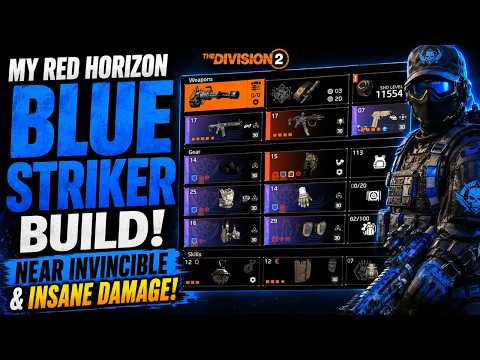
A good Striker build should balance damage, survivability, and uptime. Pure damage can look strong on paper, but agents still need enough armor, healing, or positioning discipline to stay alive long enough to maintain pressure.
Most Striker setups benefit from weapons that are easy to keep on target. High rate of fire, stable handling, strong magazine uptime, and reliable close-to-mid range control are usually more important than chasing a single perfect stat line.
Common Striker Build Mistakes
- Building only for damage and ignoring survivability.
- Using weapons that are difficult to keep on target.
- Losing pressure too often and failing to maintain build momentum.
- Copying a build without understanding what activity it was designed for.
- Using the same version for solo, group, PvP, and Incursion content without adjusting it.
Advanced Agent Notes
Advanced Striker players usually focus less on the build label and more on the activity. A solo open-world Striker setup may need a different armor balance than a coordinated group DPS setup. A Countdown version may prioritize speed and target swapping, while an Incursion version may focus more on team synergy and burst windows.
When comparing Striker builds on DivGaming, look at the creator, activity type, weapon choice, and intended role. The strongest build is not always the highest damage screenshot. It is the setup that fits the content you are actually running.